
What is DermoNeuroModulation?
DermoNeuroModulation (DNM) is a modern, science-based approach to manual therapy, pioneered by Canadian physiotherapist Diane Jacobs, PT.
It’s rightfully earned the distinction as Manual Therapy for the 21st Century and is designed to assist modulation of the nervous system through gentle, intentional, and highly nuanced contact with the skin.
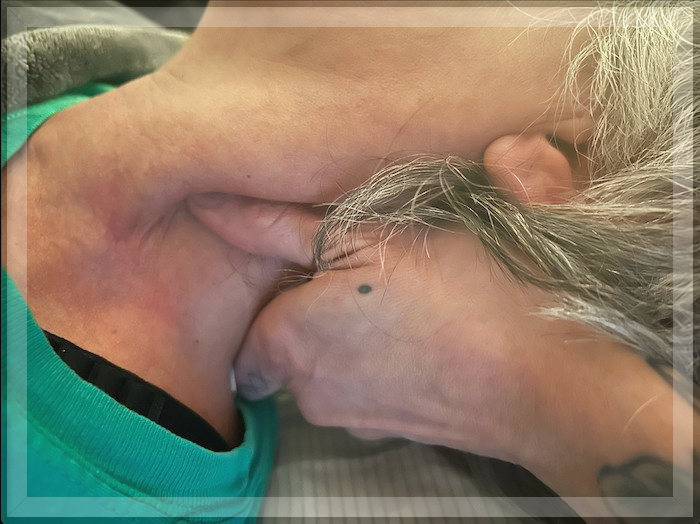
Consideration of a nervous system… includes considering the entire nervous system from skin cell (the part we can touch) to sense of self— the person, person’s brain, spinal cord, and nerves, and any physiological trouble that peripheral nerves might be in, any pain that may be present, any unconscious motor output that remains when a person is recumbent, and any volitional motor output that does not seem easy or effortless.
—Diane Jacobs
What Makes DermoNeuroModulation (DNM) Different?
DNM is rooted in neuroscience, neurodynamics, and pain science. The techniques can be incorporated seamlessly into existing modalites, and above all the DNM protocol prioritizes:
- Interaction with the skin and cutaneous nerves
- Nervous system regulation through touch and bolstering favorable contexts
- Clear communication and informed consent with the patient
Therapists using this approach engage the brain through skin contact, body positioning, as subtle biomechanical inputs. These applications are informed by the latest understanding of how pain and the nervous system actually work.
A Science-Informed, Sensible Approach
Diane Jacobs outlines the following foundations for dermoneuromodulating (DNM):
- Techniques are slow, kind, responsive, and purposeful
- Gentle manipulation of the skin affects deeper structures without force
- Positioning is used to ease tension on peripheral nerves
- Sessions emphasize safety, comfort, and therapeutic alliance.
DNM integrates well with other manual therapy approaches and is especially helpful in persistent pain presentations and nervous system hypersensitivity.
About Diane Jacobs, PT
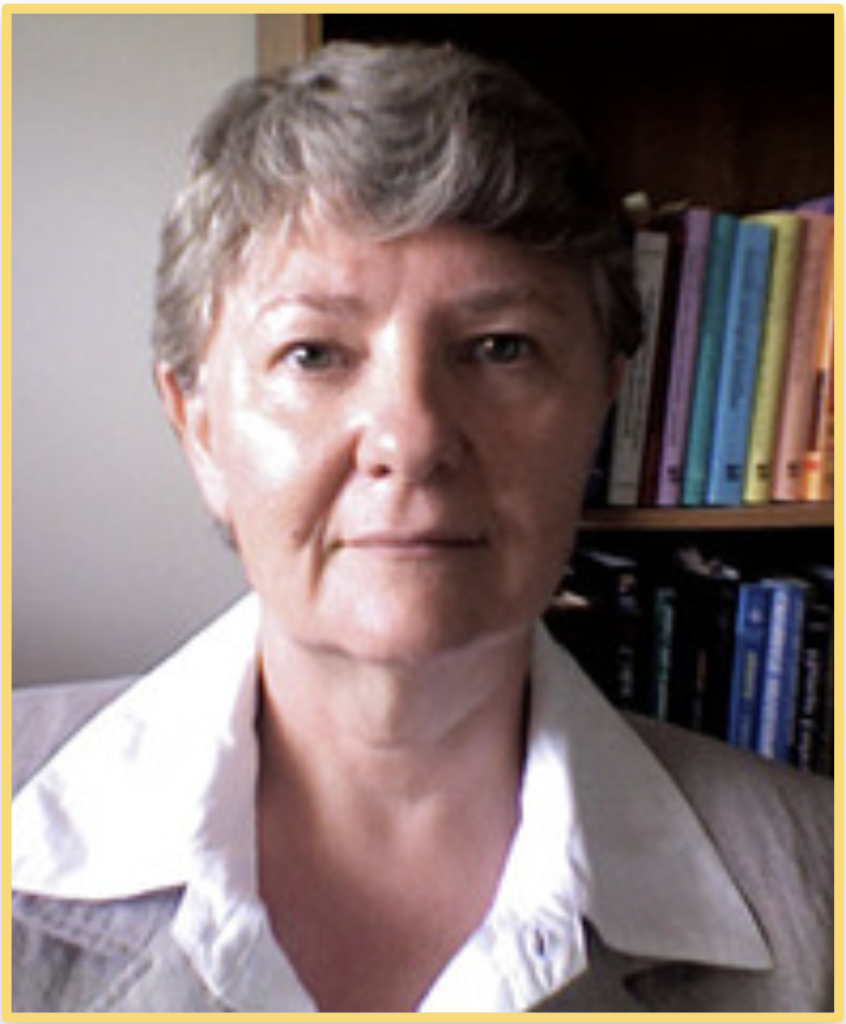
Diane Jacobs is the developer of DNM and author of the book DermoNeuroModulating.
With over 50 years as a physiotherapist, 35+ years as a manual therapist, and more than 15 years of clinical research, Diane’s career has helped reshape manual therapy and set it on its rightful trajectory.
After taking a class with David Butler in the late 1990s, she recognized that neurodynamics concepts could be applied to the cutaneous nerves in the skin, marking a major shift in her clinical thinking. Her work became deeply informed by neurodynamics and all aspects of pain science.
In 2007, she performed cadaver dissection of cutaneous nerves at the University of British Columbia, offering tangible insight to the neuroanatomy that would inform her method and lead to the creation of DNM.
Manual Therapy for the 21st Century
In 2016, Diane authored the book DermoNeuroModulating, providing a clear, evidence-based case for a kinder, gentler way of handling patients—one that puts the patient in charge of their experience.
Before retiring in 2020, she taught DNM internationally and brought about a monumental shift how massage professionals and manual therapists think and practice more accurately.
Her influence continues through educators she personally trained, including me, and through the many practitioners who apply her work in practice worldwide.
Pinpoint DNM Instructor: Tania Velásquez, LMT
I’ve been a manual therapist and educator for over 25 years, with a background in teaching kinesiology, orthopedic pathology, and advanced massage therapy techniques at Pacific College of Health and Science—NY.
I’ve been fortunate to have the opportunity to train directly under Diane Jacobs, the creator of DNM. Her mentorship reshaped how I approach pain, people, and hands-on care. Her influence is at the core of everything I teach.

You may also find me listed as an instructor on the DermoNeuroModulation website.
Ready to Dive Deeper into DermoNeuroModulation?
The Pinpoint DNM course offers a fully structured learning experience including:
- Self-paced, comprehensive online modules
- Lifetime access for the online course
- Live interactive Q&A available for participants after enrollment
- Case study breakdowns
- 3.5-day Live, in-person, hands-on training class
- NCBTMB-approved CEs
Learn the full method, with the guidance of a seasoned educator who’s untangled the pitfalls and understands how to translate complex science into accessible, real-world practice so you can put DNM to use right away.
Get the Original DermoNeuroModulating Book by Diane Jacobs, PT
⭐️⭐️⭐️⭐️⭐️
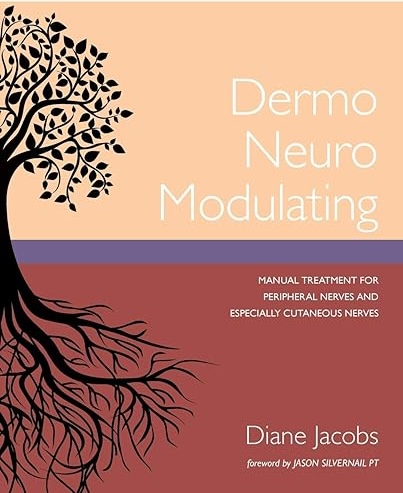
Dermo Neuro Modulating: Manual Treatment for Peripheral Nerves and Especially Cutaneous Nerves
If there was only one book I was able to recommend for massage professionals or manual therapists, it would be this one!
The text available in Kindle, paperback, and hardcover and contains everything you need to know to get started with DNM.
The following are affiliate links, which means as an Amazon Associate, I earn from qualifying purchases. Clicking these buttons costs you nothing, but helps support the free resources I create and share on PinpointEducation.com.
Also available in French translation as DermoNeuroModulation: Therapie manuelle pour les nerfs peripheriques, notamment les nerfs cutanes
Frequently Asked Questions
DNM is primarily used to help manage and reduce pain by interacting with the nervous system via the skin.
It’s especially useful for cases of persistent or unexplained pain, hypersensitivity, or when standard techniques have failed.
Unlike traditional massage, which often targets muscles or deep tissue, DNM focuses on the skin and the underlying cutaneous nerves.
The techniques are gentle and are designed to create favorable conditions for the nervous system to regulate itself.
Yes. DNM is grounded in up-to-date neuroscience, neurodynamics, and pain science. It avoids outdated biomechanical models and embraces a nervous-system-centered view of manual therapy.
Absolutely. DNM works well alongside many other modalities, including movement therapy, myofascial work, and orthopedic approaches. It often enhances outcomes when added to an existing practice.
While DNM is geared toward massage professionals, manual therapists, hands-on healthcare providers, anyone interested in pain science and nervous system-informed care can benefit from its principles. Licensing requirements vary by region and country.
You can explore the comprehensive Pinpoint DNM course for the full training system, including self-paced online lessons with lifetime access, live hands-on training workshops, webinars, and case study reviews.
Need to learn online, in person, or a mix of both? Visit the Pinpoint DNM course page for details, pricing, and schedules.
Note: This page was created independently by a longtime DNM practitioner and educator who studied directly with Diane Jacobs and continues to share DNM with her blessing. It’s intended as a complementary resource for those curious to learn more about DNM.

The term “DermoNeuroModulation” is licensed under a Creative Commons Attribution-NonCommercial 3.0 Unported License, and is used here with respect and attribution to its creator, Diane Jacobs.
Explore More About DermoNeuroModulating:
How to Apply DermoNeuroModulating (DNM) Techniques→